
Frequently Asked Questions
What types of industrial mixers does Agitation Resources manufacture?
We design and manufacture top-entry, pressurized-tank, side-entry, portable and tote or drum mixers. We also supply static in-line mixers, lab dispersers, lifting stands and impellers. The equipment is selected for your tank, product and mixing objective.
How do I know which industrial mixer is right for my specific manufacturing process?
Selecting agitation equipment starts with your fluid rheology, tank geometry and what the process has to achieve. Our engineering team works with your facility to calculate shear requirements and motor sizing before recommending a configuration. We work through the variables that drive that configuration: fluid properties, vessel geometry, and what the mix has to do.
Can you engineer mixing systems for pressurized or vacuum-sealed containment tanks?
Yes. We design mixers for non atmospheric service where the vessel runs under pressure or vacuum. Our pressurized tank mixers use vessel sealing arrangements including split mechanical seals and double cartridge mechanical seals, selected for the process conditions. These units are built for closed vessel service in chemical and food processing applications, with the sealing arrangement specified for your pressure and temperature conditions.
What are the advantages of using a side entry mixer instead of a traditional top entry configuration?
Side entry mixers suit large fluid volumes where overhead clearance is limited or top entry mounting is structurally impractical. These units mount horizontally to the lower flange of large storage tanks, for blending and solids suspension. A side entry configuration lets facilities use full tank height without overhead structural support.
Do you offer agitation equipment for small-scale pilot processes and portable manufacturing setups?
Yes. We offer portable and small-batch mixers for smaller vessels, pilot work and temporary installations. We select the mounting, impeller and drive for the tank, working volume and product. A smaller mixer still needs to be sized for the job it will do.
How important is impeller selection to the overall efficiency of my mixing operation?
Impellers set the flow pattern inside the vessel. Blade geometry drives homogenization, solids suspension and dispersion rate. We select hydrofoils or pitched blade turbines based on your fluid properties and the flow pattern the process needs, which also affects how much power the duty draws.
What kind of aftermarket support and repair services do you provide for existing equipment?
We inspect and rebuild existing mixers, machine replacement components, and supply parts for equipment built by other manufacturers. Our services cover teardown, inspection, machining and reassembly. The repair scope depends on the condition of the assembly and whether the original design still suits the duty.
Are your industrial mixers capable of handling highly corrosive chemicals and strict sanitary requirements?
We select the wetted materials, finish and seals for the product and cleaning requirements. Corrosion, temperature and abrasive service all affect that selection. For food or pharmaceutical work, send us the sanitary specifications so we can confirm what construction and documentation the job requires.
Do you provide specialized equipment for safely lifting and maintaining heavy mixer components?
We design lifting stands that raise and lower the mixer over a drum, tote or process vessel, so the shaft and impeller can be moved clear of the tank for changeover, cleaning or service. Stands are wall-mounted, freestanding or roll-around, with pneumatic, counter-balanced or mechanical lift. Send the mixer weight, the shaft length, the vessel height and the space available and we will size it.
Can you upgrade or retrofit an older mixing system to improve our current production yields?
We review the drive, shaft, impeller, seal and mounting arrangement on the existing mixer. A retrofit can address a changed process duty or a repeated failure while keeping the vessel and much of the installation in place. See equipment retrofits and services for how that work runs. We assess the installed equipment before recommending a scope.
Our Industrial Mixer Product Families
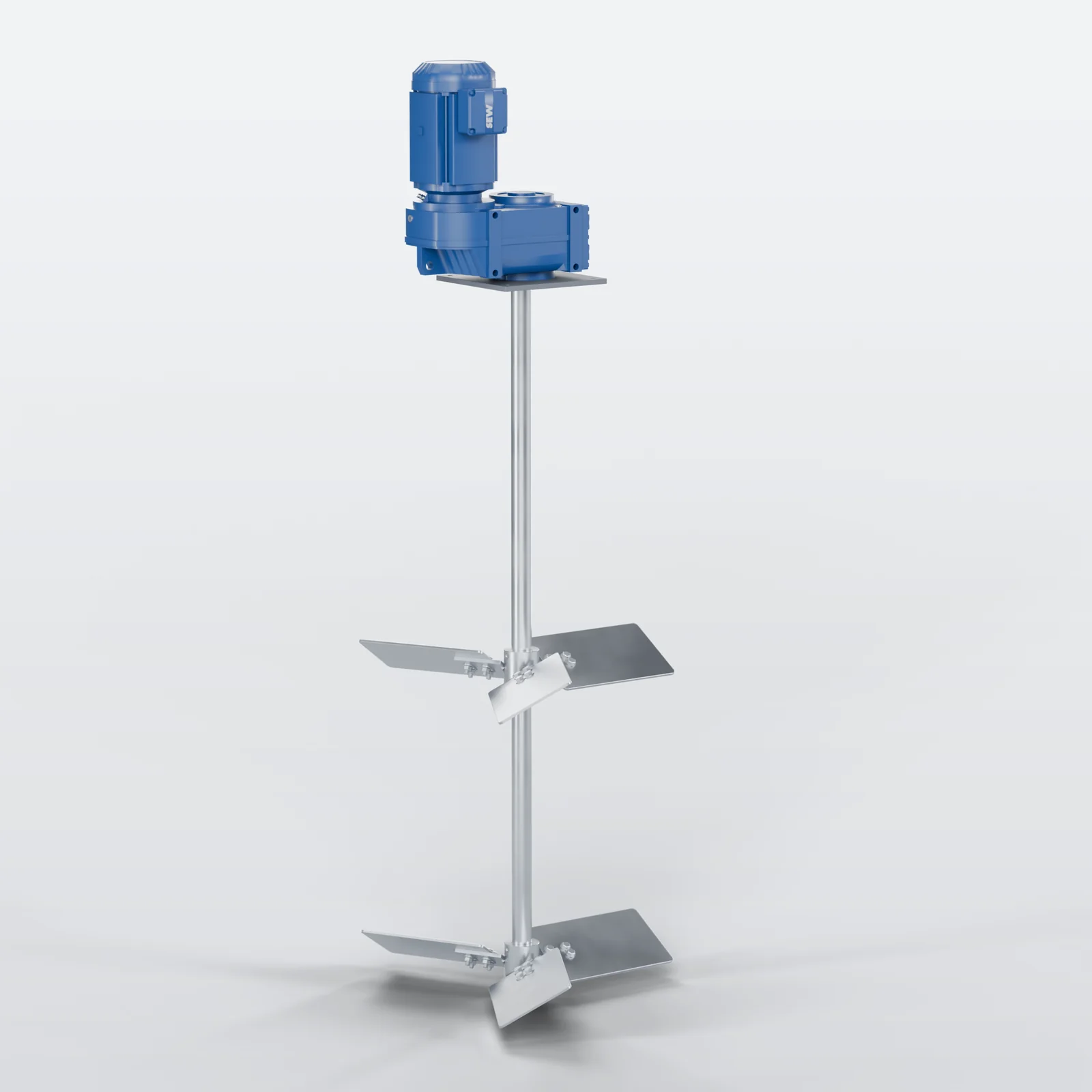
Top-Entry Mixers
AHM GROUP
Heavy-duty top-entry mixers designed for industrial tanks and vessels, available in direct-drive or gear-reduced configurations for reliable, long-term performance.
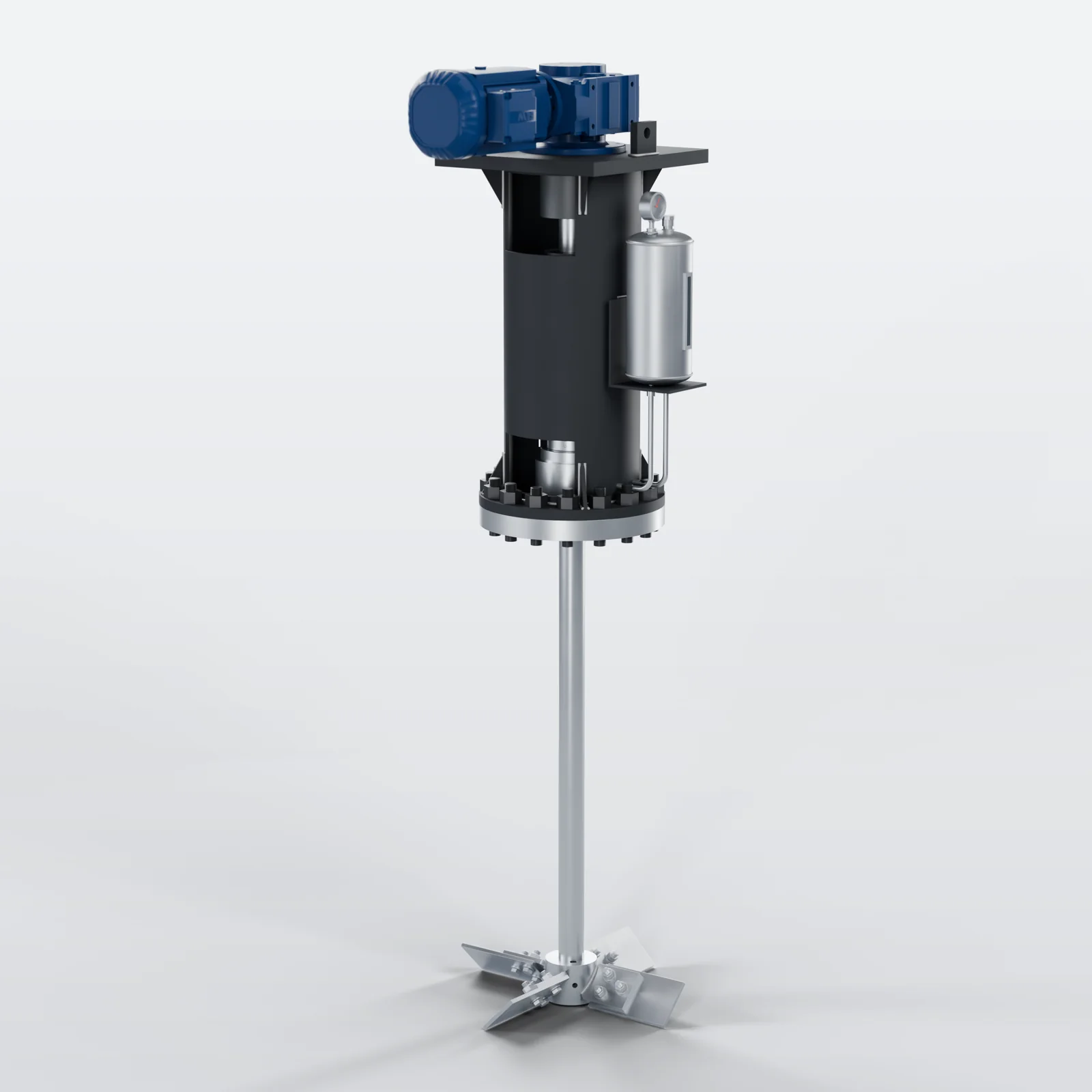
Pressurized Tank Mixers
ASM GROUP
Sealed and pressurized mixers for closed systems, engineered to handle fugitive emissions, vacuum conditions, and tank pressure with durable mechanical seals.
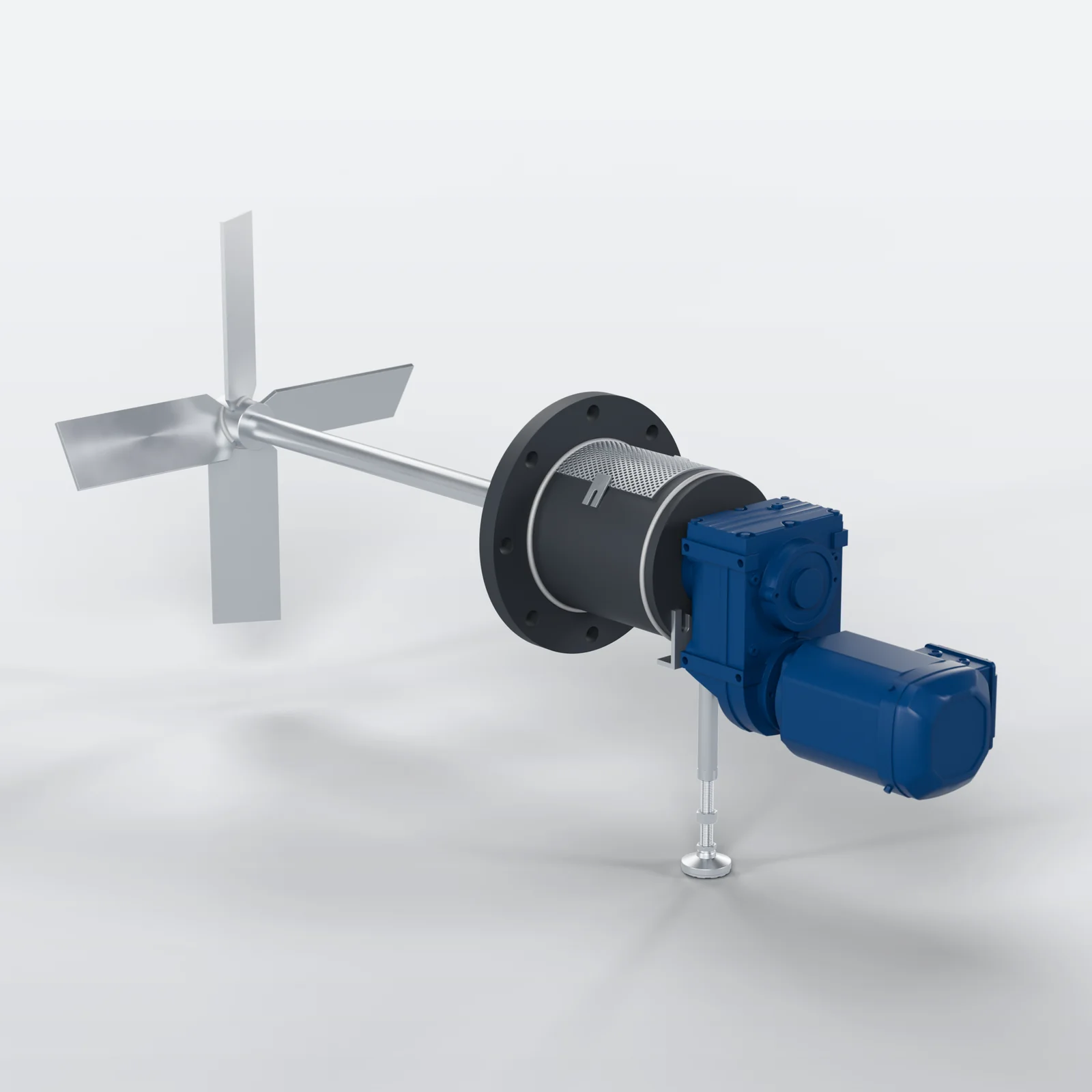
Side-Entry Mixers
ASN GROUP
Compact and efficient side-entry mixers, ideal for tanks where top-entry installation is impractical or limited by structural constraints.
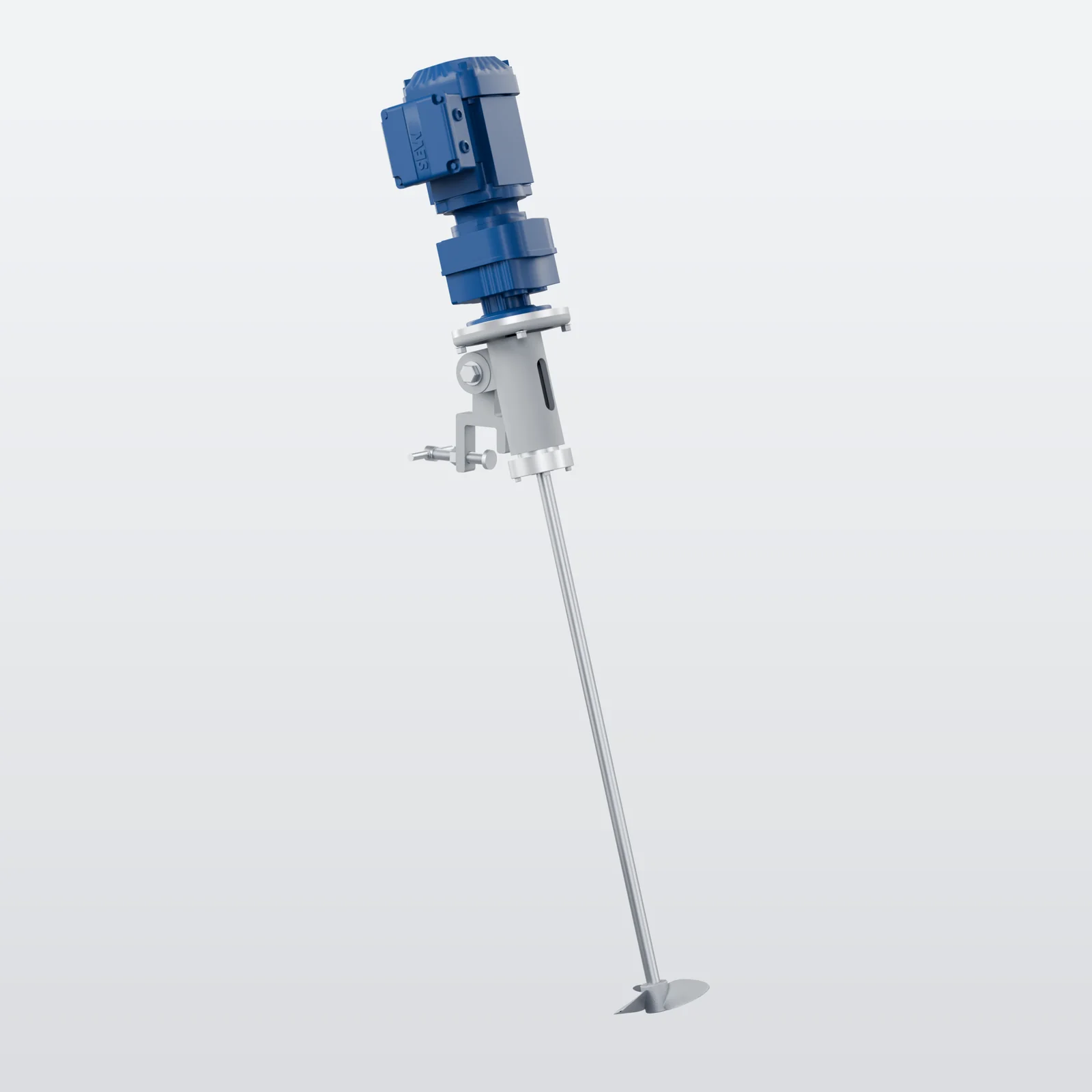
Portable Mixers
ARIP Group
Lightweight and rugged portable mixers, available in clamp-on or cup-mounted configurations for flexible use with drums, totes, and small tanks.
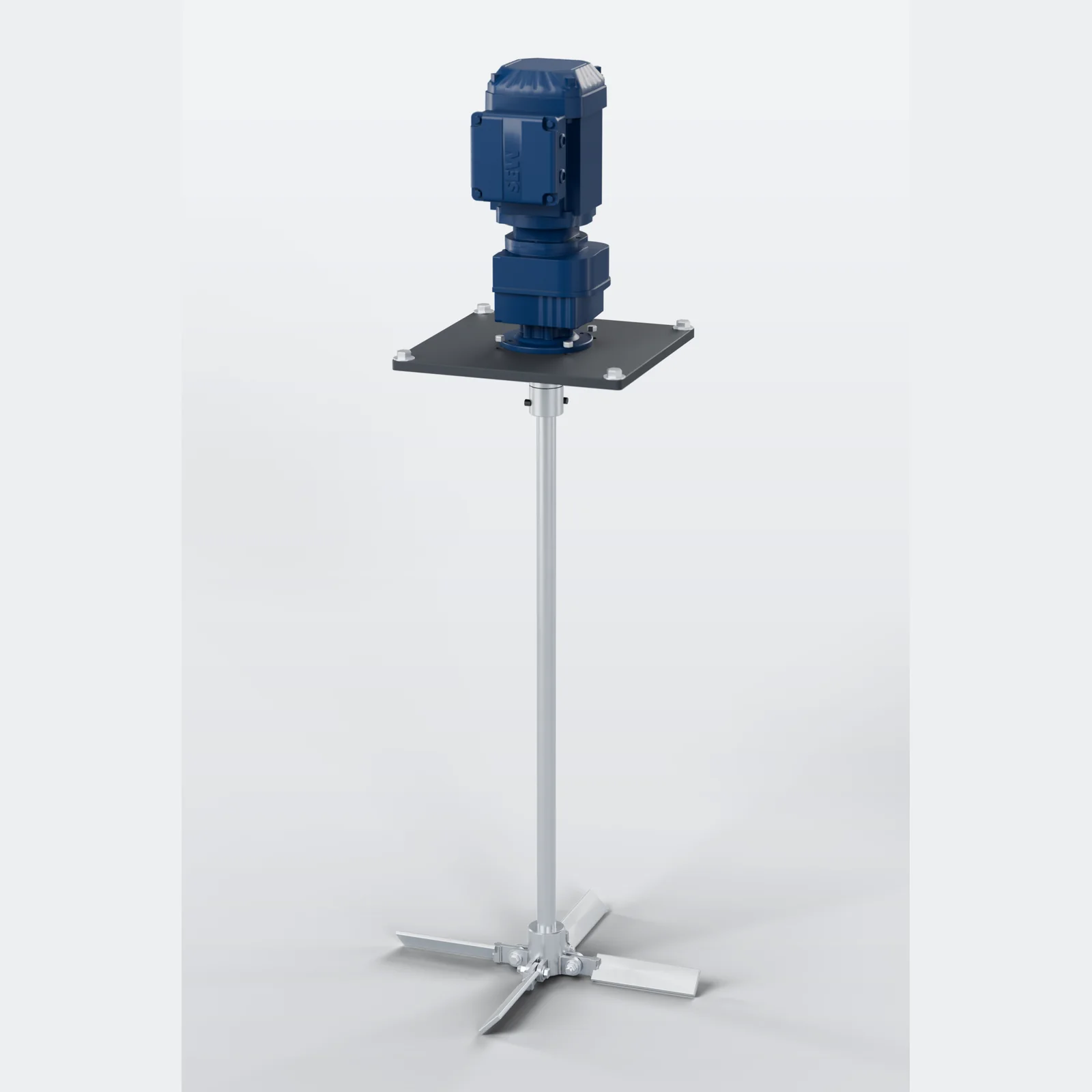
Small Batch Mixers
ATM Group
Tote and drum mixers with rail, lid or bung mounting and impellers properly selected for blending, dispersion or solids suspension.
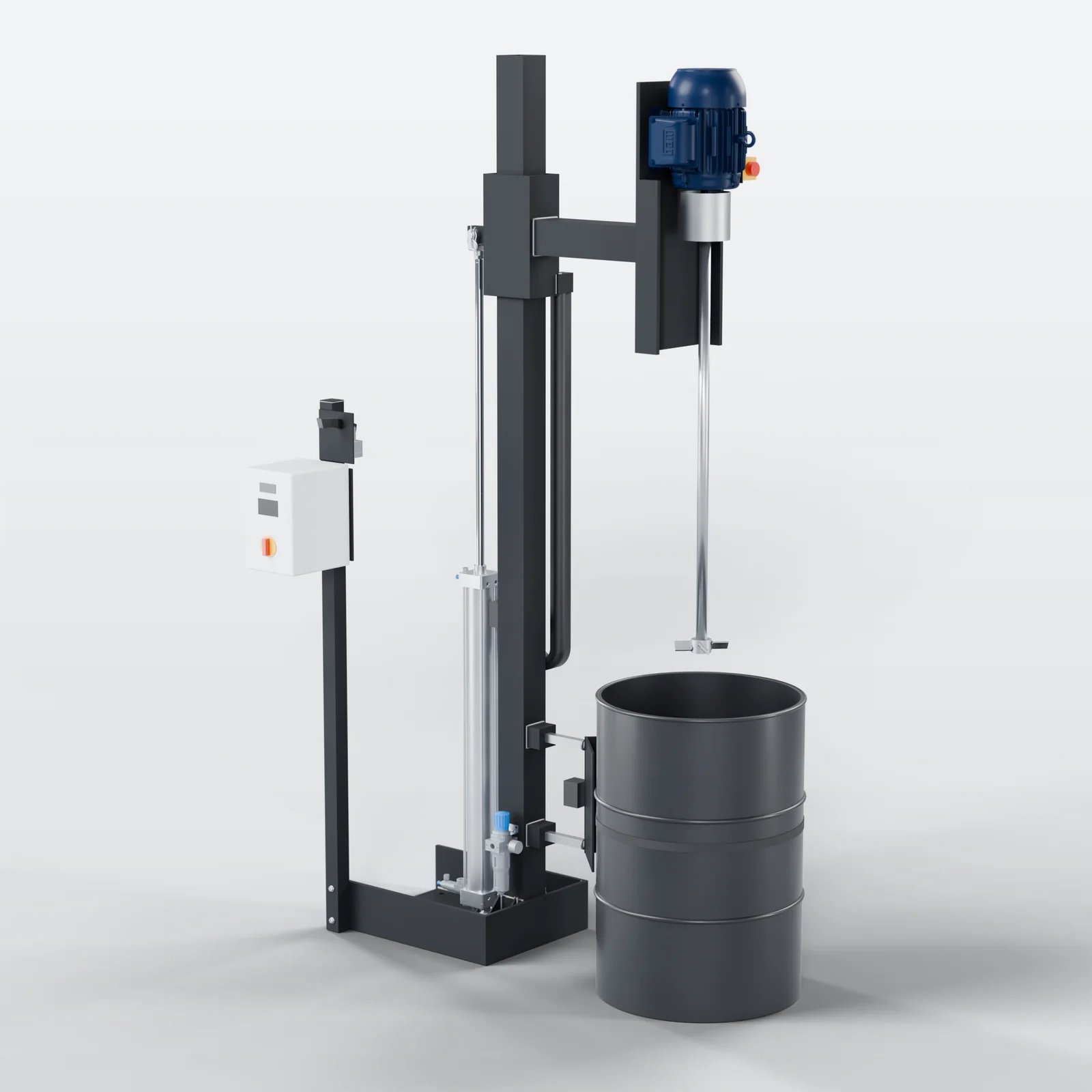
Stands & Accessories
ALS Group
Engineered lifting stands and accessories that simplify safe mixer handling and improve access for portable or overhead mixing systems.
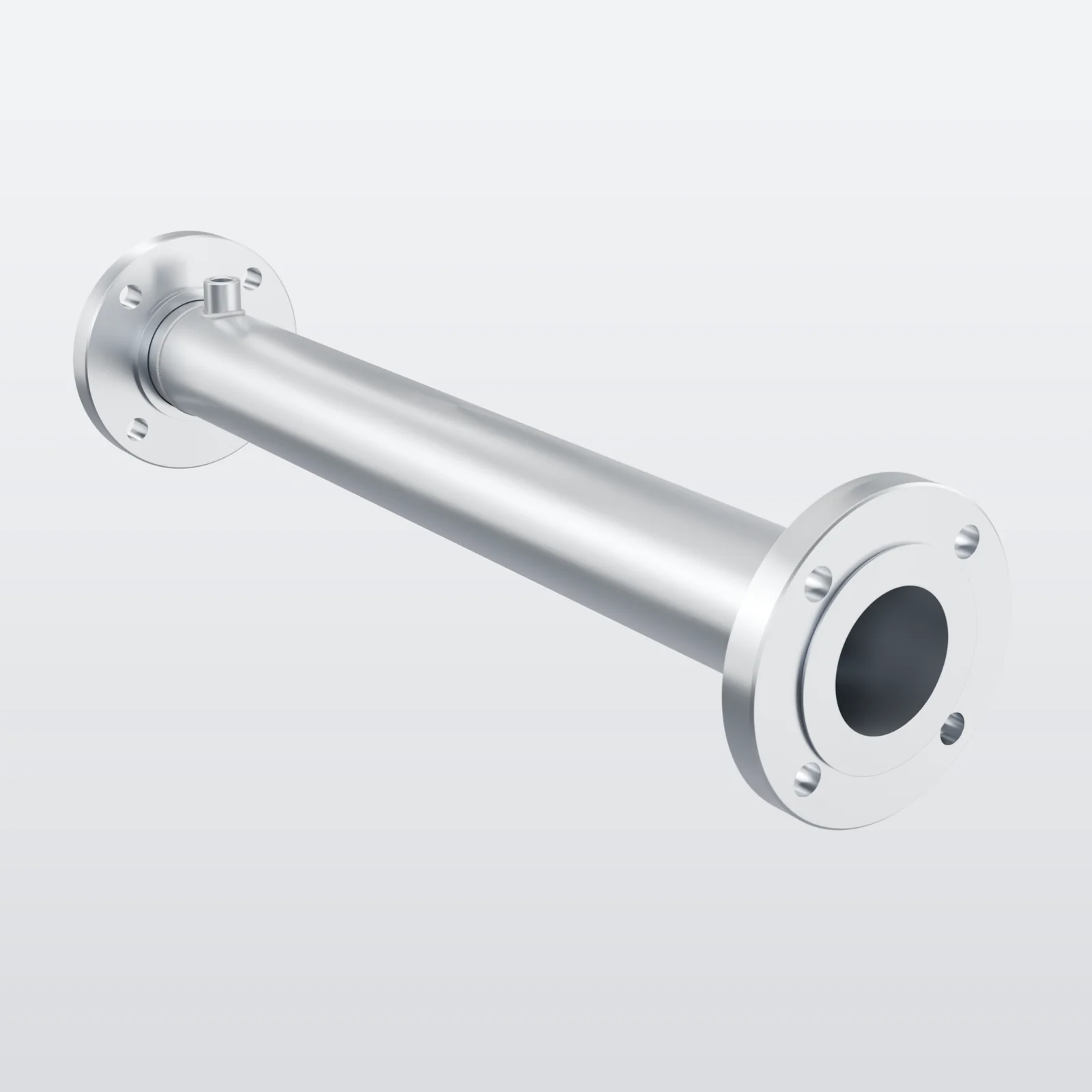
Static in-line Mixers
ALI Group
Static in-line mixers have fixed internal elements and no moving parts. They blend miscible liquids as the product flows through the pipe. Cleaning and inspection requirements depend on the product and operating conditions.
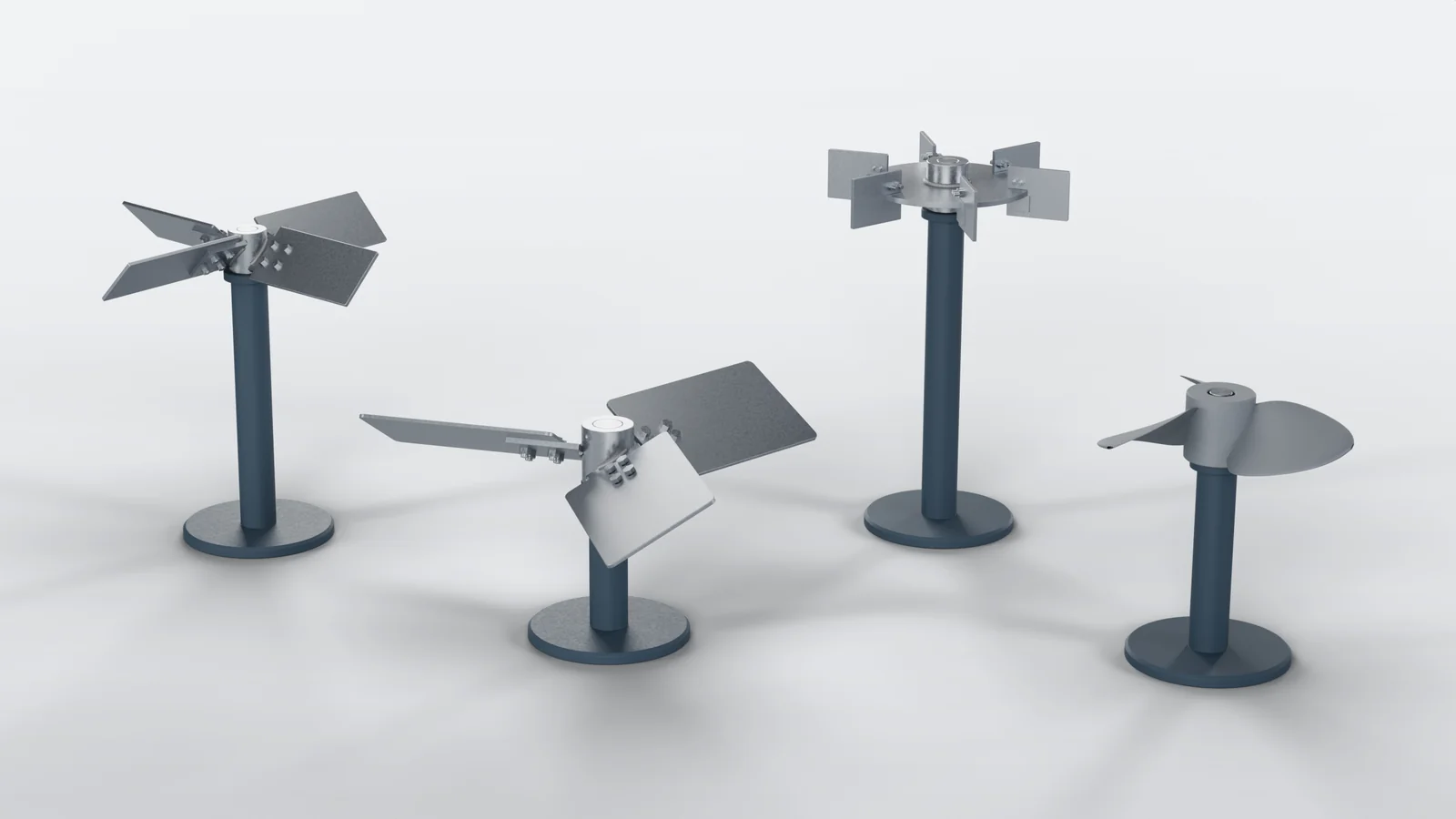
Impellers for industrial mixers
We select and manufacture impellers for the required flow and shear. The design depends on the fluid properties, tank geometry and mixing objective.