
Impellers
Impellers transfer mechanical energy from the drive to the process fluid to generate circulation and shear. Their geometry helps determine the primary flow pattern within the vessel and influences blending, solids suspension, heat transfer, gas dispersion and other mixing objectives. Selecting the appropriate impeller requires consideration of the fluid properties, vessel geometry, liquid level, rotational speed, power input and mechanical limits of the agitator. A properly selected impeller supports repeatable process performance without imposing unnecessary load on the drive and shaft.
Engineered Geometry and Flow Profiles
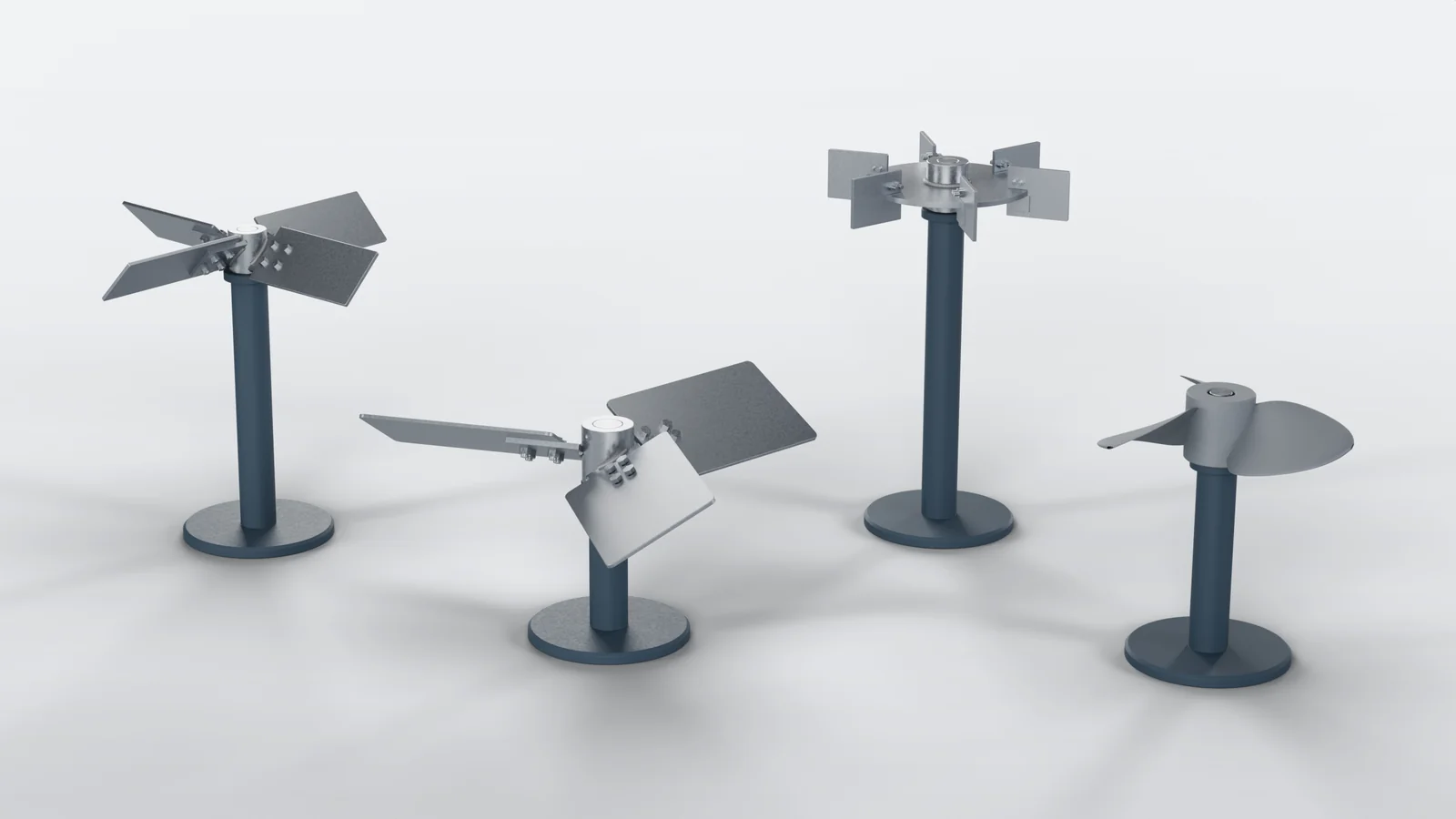
Agitation Resources supplies 30 and 45 degree pitched blade turbines (PB), hydrofoils (HF), flat blade turbines (FT), including Rushton style turbines, anchor impellers (AN), sawtooth dispersion blades (DS), also referred to as Cowles style, marine propellers (MP) and custom impeller configurations. Hydrofoils and marine propellers are commonly used where axial circulation and pumping capacity are priorities. Flat blade turbines, including Rushton style designs, and dispersion blades provide radial flow and higher shear for applications such as gas dispersion or solids incorporation. Pitched blade turbines provide axial or mixed flow and can be configured for a broad range of viscosities and mixing duties. Anchor impellers support circulation in viscous fluids and close clearance applications.
Impeller Selection
Impeller selection considers the mixing objective, fluid density and viscosity, solids loading, gas rate where applicable, tank diameter, working level and available power. The impeller to tank diameter ratio, off bottom clearance and spacing between multiple impellers are evaluated as part of the system design. Where validated performance data are available, power and flow characteristics can be used to compare configurations and estimate process performance.
Mechanical Integrity and Load Management
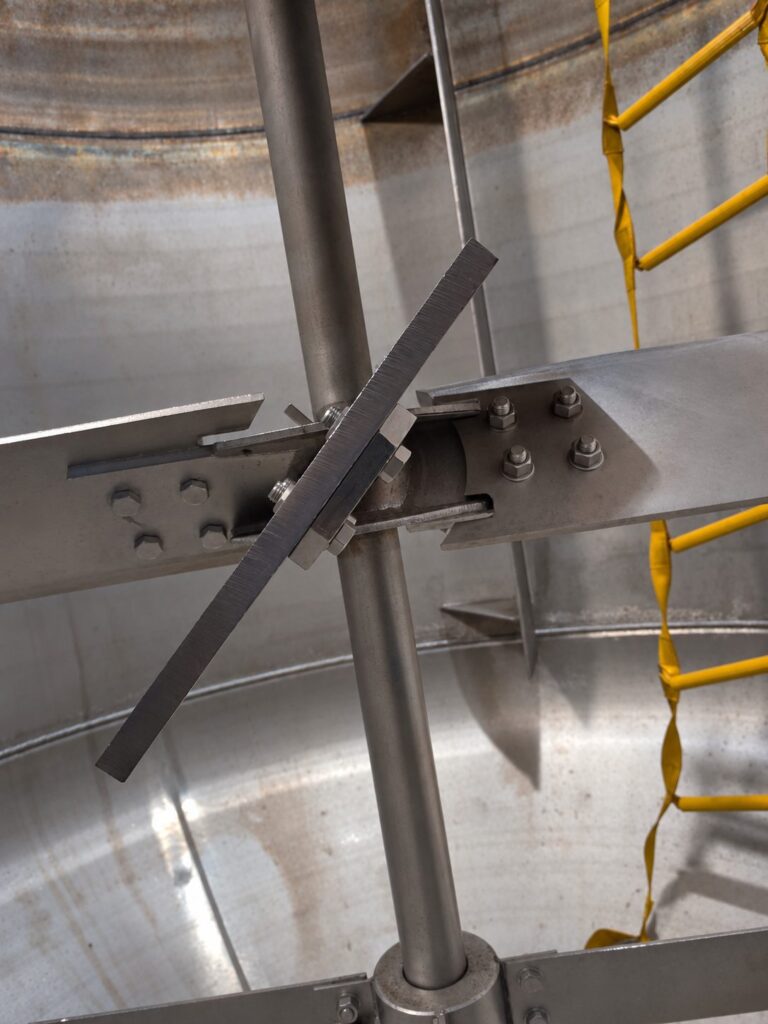
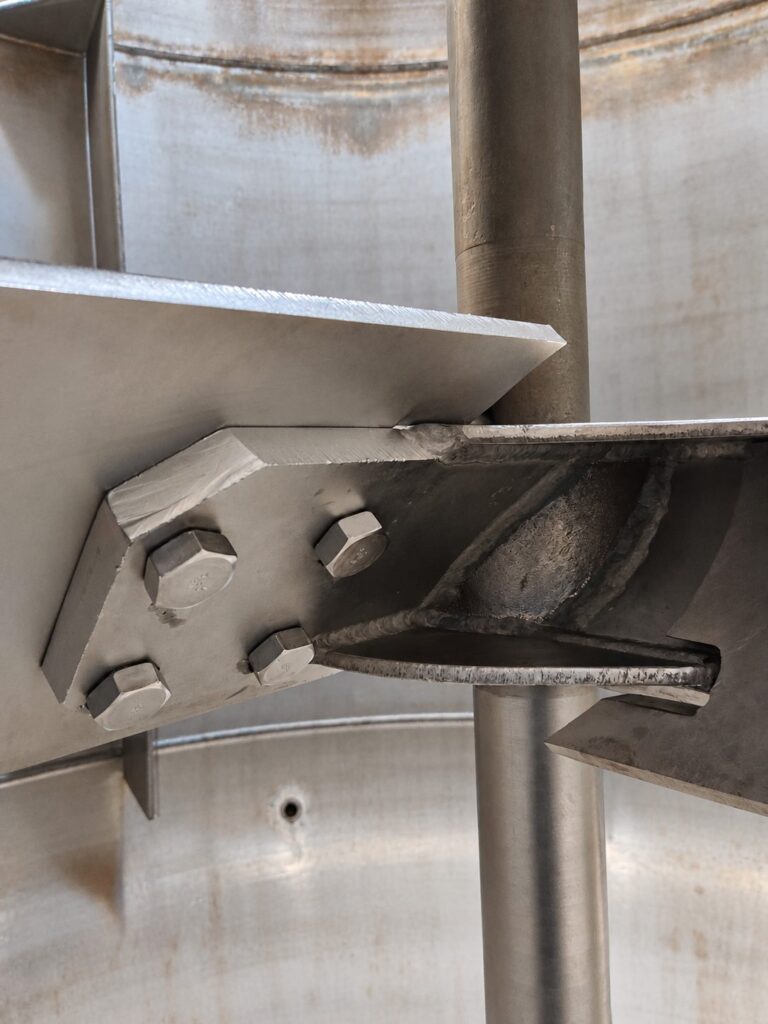
The structural design of an impeller depends on its diameter, blade geometry, material, rotational speed, transmitted torque and connection to the shaft. Impellers are engineered and manufactured in Upstate South Carolina from stainless steel, carbon steel and other materials selected for chemical compatibility and abrasion resistance. They can be supplied for many mixers already in service, including equipment from other manufacturers. Balance and runout control help limit vibration, while shaft deflection is managed through shaft sizing based on length, speed and overhung load. Inspection of the blades, hub and shaft connection helps identify wear, corrosion or mechanical damage before it affects operation.
Send the existing mixer nameplate information, available impeller dimensions and photographs for a replacement quotation, or the process conditions for a new selection.
Impellers
Impeller selection depends on the flow pattern the process needs, the shear it can tolerate, the vessel geometry, the fluid properties, and the power and mechanical limits of the mixer driving it.
Each design suits particular objectives: blending, solids suspension, dispersion, or gas and liquid contact. Impellers can be made in 304 and 316 stainless steel, carbon steel, aluminum, titanium, or coated finishes selected for compatibility with the process fluid.
The types and selection guide below cover what we supply.
Impeller Types
Pitched Blade Turbine
Axial and mixed flow for general blending, circulation, heat transfer and solids suspension. Supplied in 30 or 45 degree pitch to suit the duty.
Hydrofoil
High efficiency axial flow for bulk circulation and solids suspension, with strong pumping capacity at a controlled power draw.
Flat Blade or Rushton Turbine
Radial flow for gas dispersion and duties that call for greater localized shear at the impeller.
Marine Propeller
Efficient axial flow for lower viscosity fluids, smaller vessels and portable mixers.
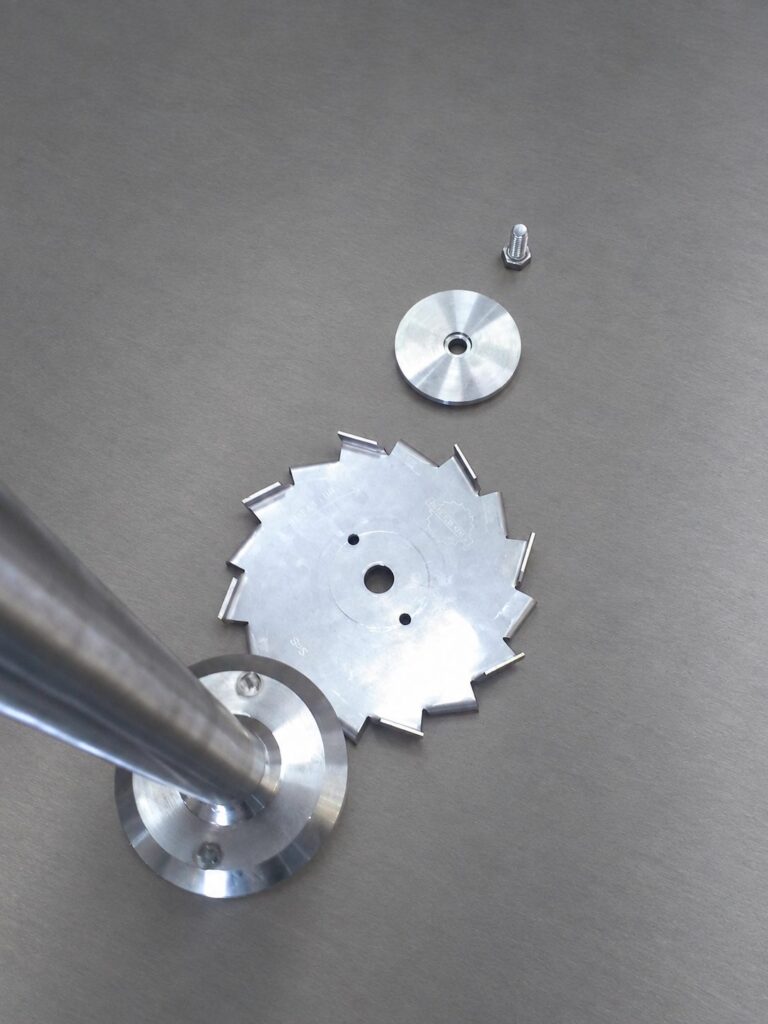
Cowles Style Dispersion Blade
High shear disc blade for powder incorporation and pigment dispersion in paints, coatings and emulsions.
Anchor and Sweep
Close clearance designs for viscous and non-Newtonian fluids, giving wall to wall agitation. Scraper equipped versions are available.
Folding Impeller
Blades that fold to pass through drum bungs and small tank openings, then open to full diameter at operating speed.
Impeller Selection Guide
| Impeller type | Primary flow | General use |
|---|---|---|
| Pitched blade turbine | Axial or mixed | General blending, circulation, heat transfer, and solids suspension across a broad range of industrial duties. |
| Hydrofoil | Axial | Bulk circulation and solids suspension where pumping capacity and controlled power draw are priorities. |
| Flat blade or Rushton turbine | Radial | Gas dispersion and applications requiring greater localized shear. |
| Marine propeller | Axial | Circulation and blending in lower viscosity fluids and smaller vessels. |
| Cowles style dispersion blade | Radial high shear | Powder incorporation, pigment dispersion, and other higher shear mixing duties. |
| Anchor impeller | Tangential and axial circulation | Viscous fluids and close clearance applications. Wall scraping requires a scraper equipped design. |
| Folding impeller | Axial | Drums, totes and tanks with small openings. Blades fold to pass through the opening and open to full diameter at operating speed. |
Request an Impeller Review
For a replacement impeller, send the mixer nameplate information, shaft and hub dimensions, available drawings, photographs, operating speed, and current impeller dimensions. For a new selection, also include the vessel geometry, working volume, fluid properties, solids or gas loading, and the required mixing objective.
- Liquid blending and bulk circulation
- Solids suspension and resuspension
- Heat transfer and temperature uniformity
- Gas dispersion
- Powder incorporation and dissolution
- Liquid dispersion and emulsification
- High viscosity and close clearance mixing
- Chemical processing, water and wastewater treatment, paints and coatings, food and beverage, pulp and paper, and general industrial mixing
Impeller geometry determines how mechanical power is converted into fluid flow and shear. Selection depends on the mixing objective, fluid density and viscosity, solids loading, gas rate where applicable, tank diameter, liquid level, operating speed, and available power. Agitation Resources evaluates these conditions when selecting an impeller for a new mixer or reviewing a replacement for equipment already in service.
Impellers are machined in our own facility in Upstate South Carolina.
- Selection: impeller type follows the flow pattern, shear and power the duty requires.
- Fitment: supplied to fit Agitation Resources assemblies, and as replacement parts for mixers built by other manufacturers.
- Manufacture: CNC machined, with hubs bored to suit the shaft the impeller will run on.
Send the vessel dimensions, the fluid properties, the mixing objective and the existing shaft details for a selection review.
Order Information
Available in standard and custom configurations. Contact us for pricing and lead times. Send the impeller diameter, the shaft size, the material required and the duty it has to run.
OUR RELATED PRODUCT GROUPS
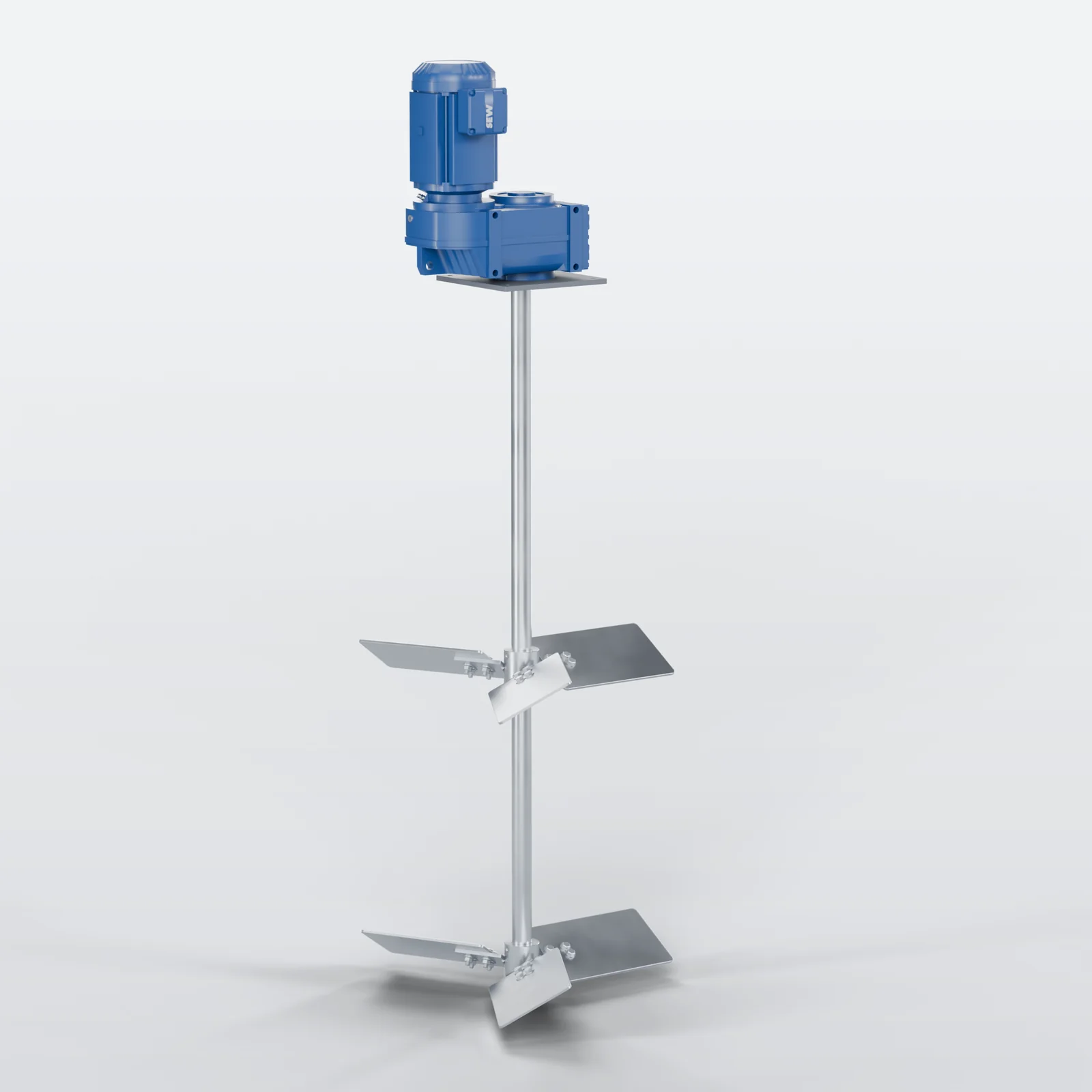
Top-Entry Mixers
AHM GROUP
Heavy-duty top-entry mixers designed for industrial tanks and vessels, available in direct-drive or gear-reduced configurations for reliable, long-term performance.
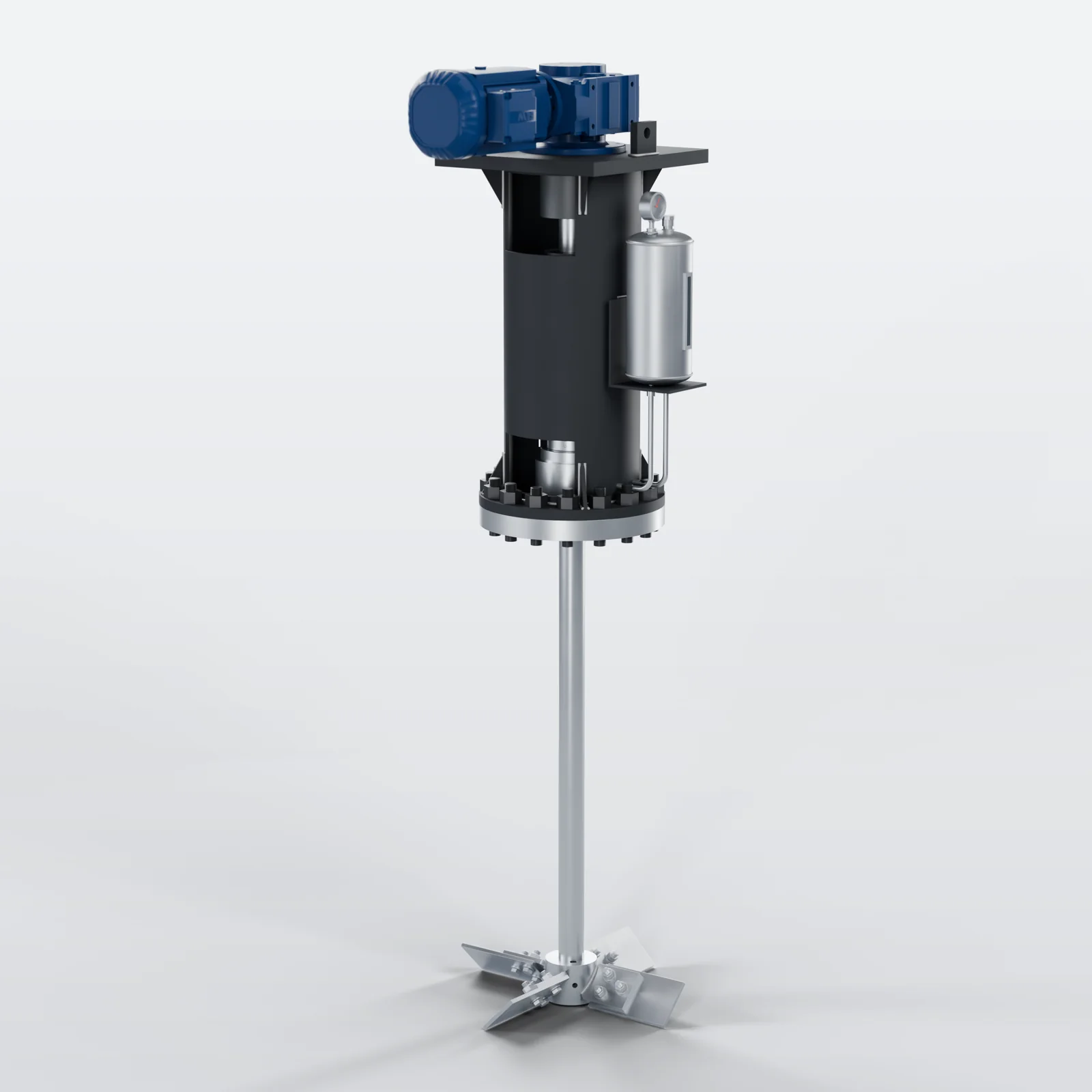
Pressurized Tank Mixers
ASM GROUP
Sealed and pressurized mixers for closed systems, engineered to handle fugitive emissions, vacuum conditions, and tank pressure with durable mechanical seals.
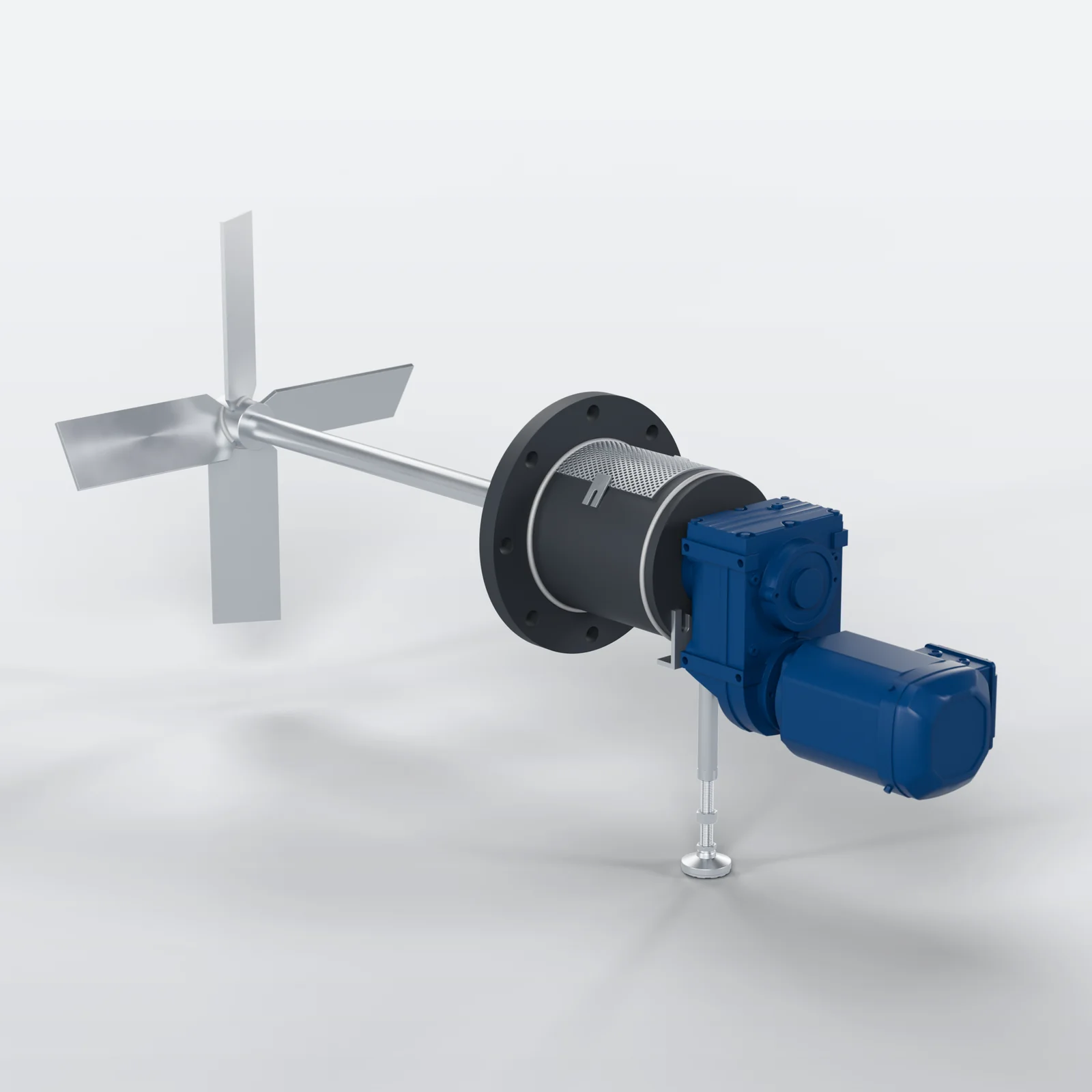
Side-Entry Mixers
ASN GROUP
Compact and efficient side-entry mixers, ideal for tanks where top-entry installation is impractical or limited by structural constraints.
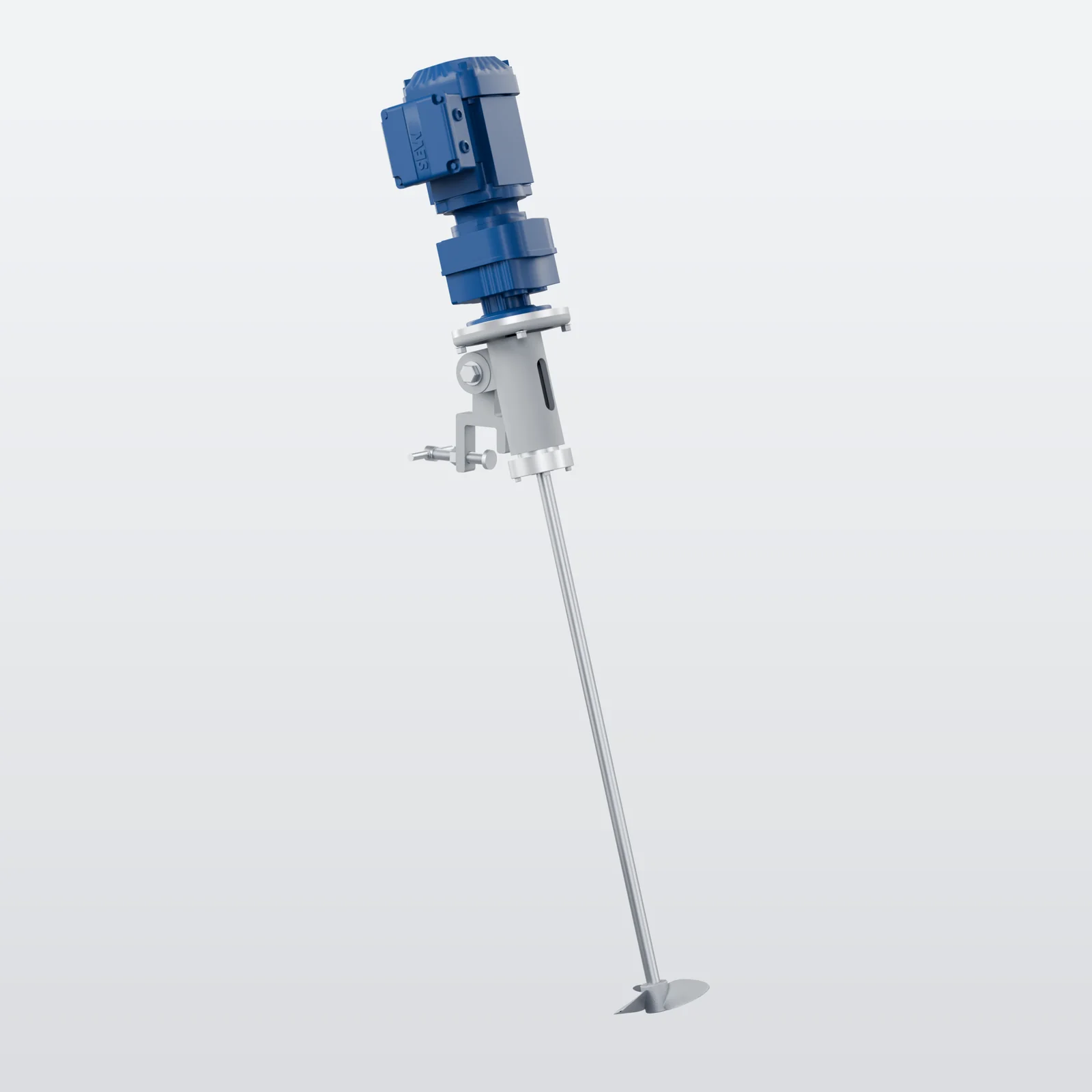
Portable Mixers
ARIP Group
Lightweight and rugged portable mixers, available in clamp-on or cup-mounted configurations for flexible use with drums, totes, and small tanks.
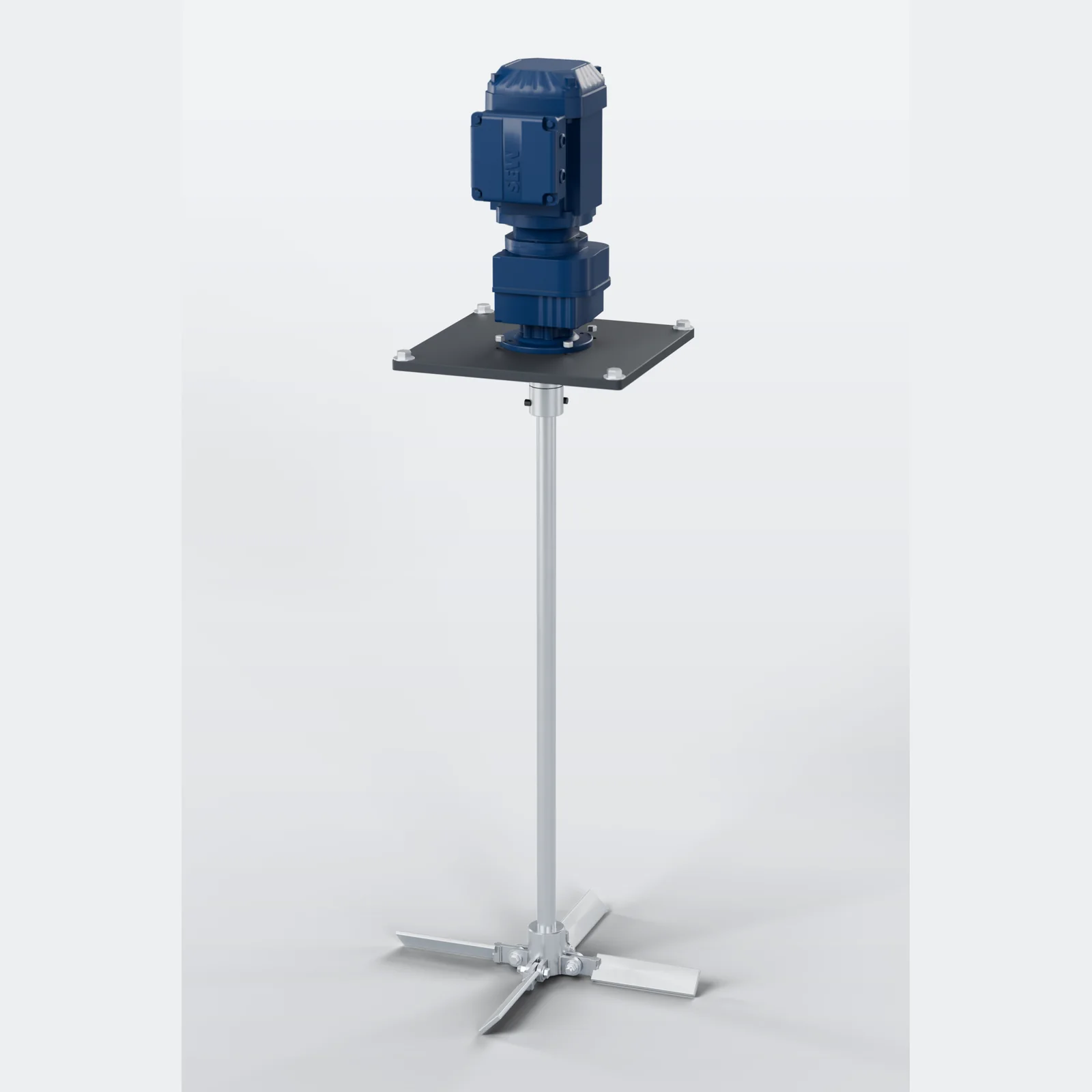
Small Batch Mixers
ATM Group
Tote and drum mixers with rail, lid or bung mounting and impellers properly selected for blending, dispersion or solids suspension.
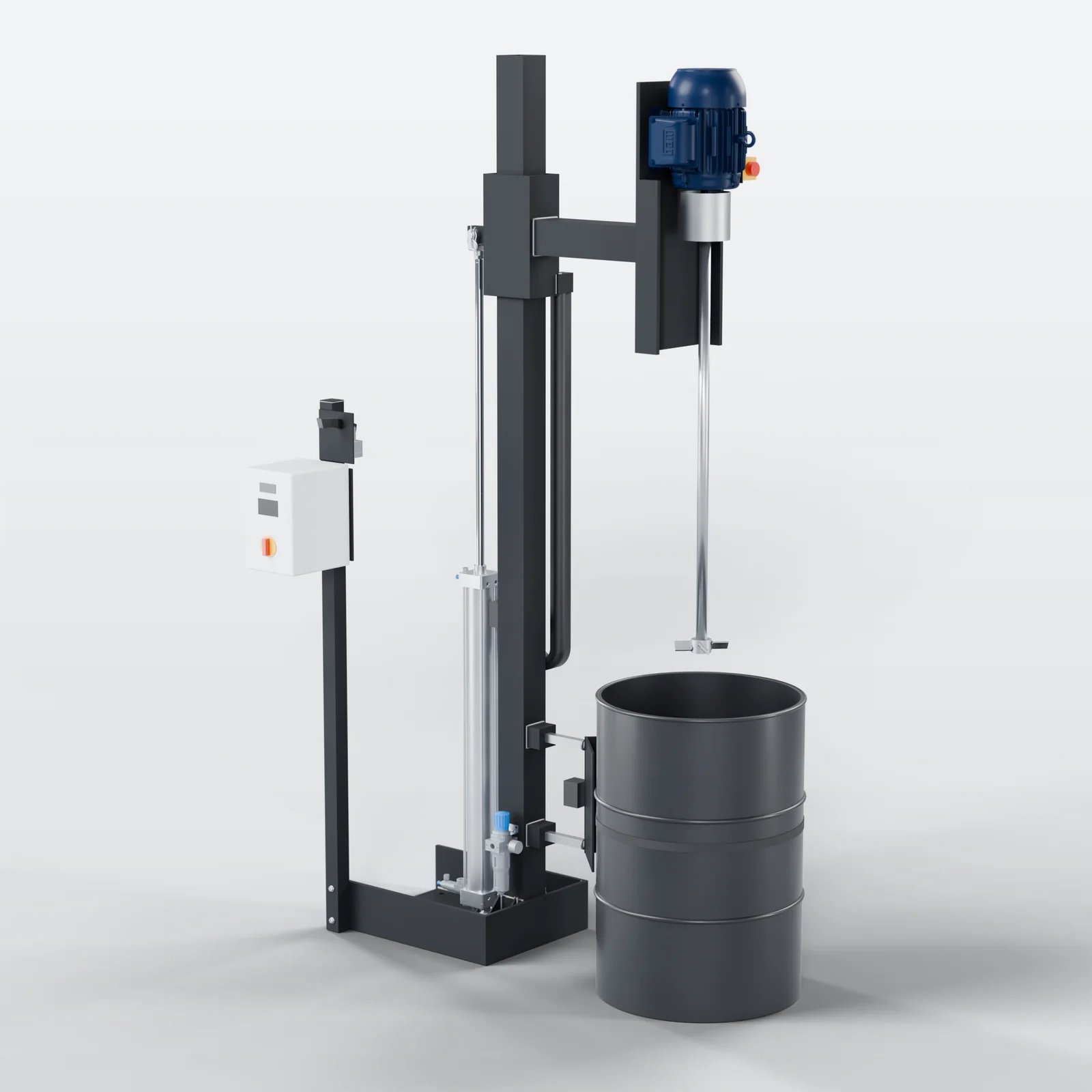
Stands & Accessories
ALS Group
Engineered lifting stands and accessories that simplify safe mixer handling and improve access for portable or overhead mixing systems.
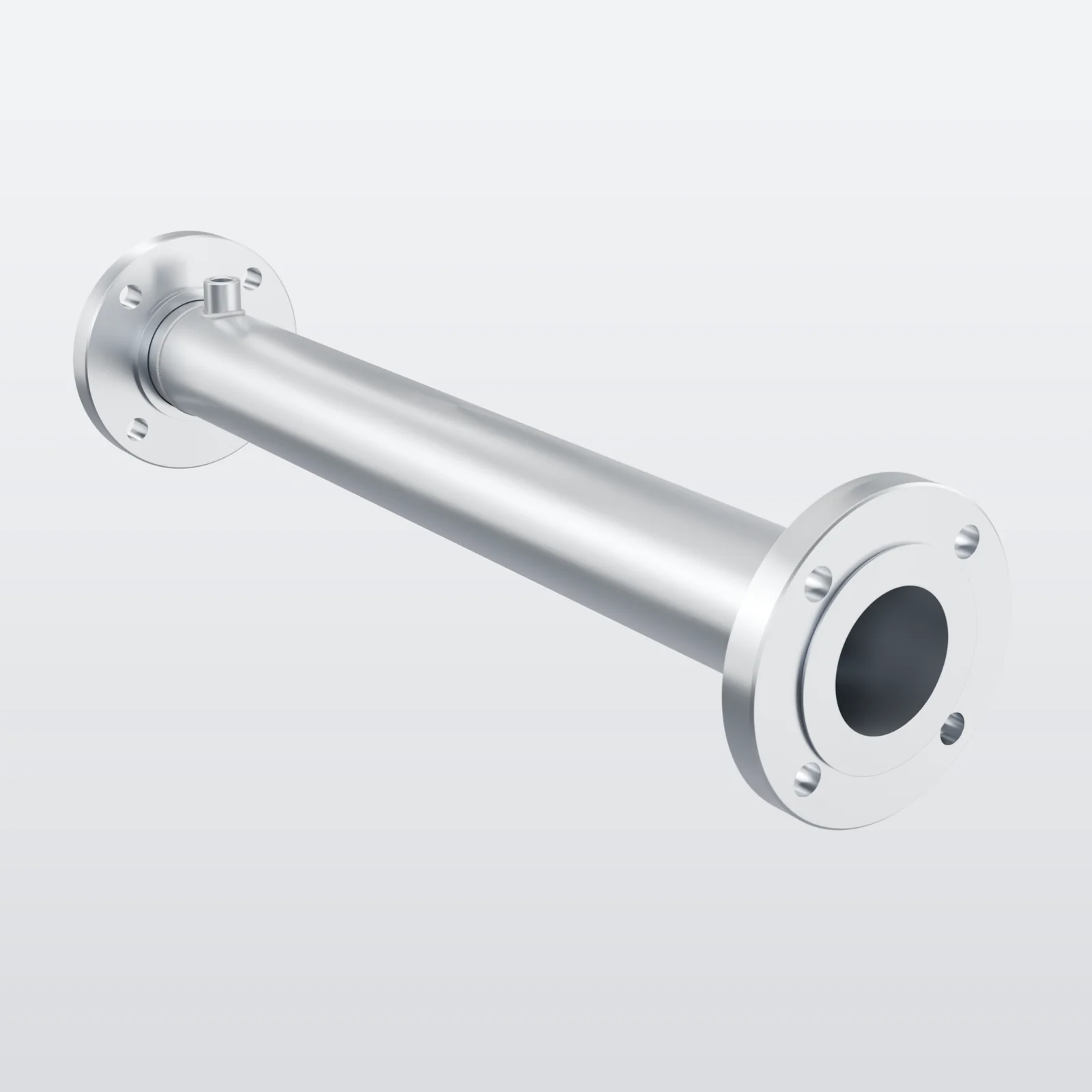
Static in-line Mixers
ALI Group
Static in-line mixers have fixed internal elements and no moving parts. They blend miscible liquids as the product flows through the pipe. Cleaning and inspection requirements depend on the product and operating conditions.