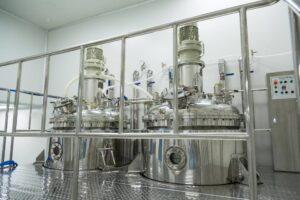
Understanding the structural and flow differences between top-entry and side-entry mixers is a necessary step in large-scale process design and builds upon the fundamental principles of industrial mixing systems. These two configurations represent the standard approaches for integrating agitation equipment into process vessels, yet they serve entirely different engineering functions based on tank geometry and volume. The selection between top-mounted and side-mounted equipment dictates the entire structural design of the vessel and the required mechanical support systems. Engineers must evaluate the internal flow dynamics at each mounting position to ensure that the entire fluid volume receives adequate mechanical energy. Placing a mixer in the incorrect orientation frequently leads to catastrophic process failures, severe mechanical vibration, or the accumulation of heavy solids on the tank floor. Proper specification requires calculating the exact physical reach of the fluid stream relative to the containment vessel’s dimensions.
Structural Design of Top-Mounted Agitators
Top-entry mixers are mounted on the roof or upper structural supports of a process vessel and represent the most common configuration for chemical and industrial processing. This vertical orientation allows engineers to place the impeller centrally within the fluid, providing symmetrical flow patterns that promote efficient top-to-bottom turnover. The central placement is particularly critical for applications requiring aggressive agitation, such as suspending heavy solid particles or dispersing dense gases into a liquid medium. Securing heavy equipment to the top of a hollow vessel requires substantial structural reinforcement of the tank roof or the construction of an independent bridge mount. The mounting flange and supporting structure must be rigid enough to absorb the dynamic forces generated by the rotating fluid without transferring damaging vibrations into the tank walls.
Managing Torque and Bending Moments in Vertical Shafts
The vertical shaft of a top-entry mixer acts as a cantilever beam, making it highly susceptible to mechanical stress during operation. Engineers must calculate the maximum torque generated by the motor and gearbox to ensure the shaft diameter is sufficient to transmit rotational power without twisting or shearing. Furthermore, the fluid applies lateral hydraulic forces against the impeller blades, which generate significant bending moments along the length of the unsupported shaft. These bending moments are amplified in tanks containing highly viscous fluids or fluctuating fluid levels that expose the impeller to the liquid surface. Designing the shaft to resist these forces often requires utilizing solid high-strength steel or heavy-walled pipe, combined with precision machining to maintain strict concentricity.
Flow Characteristics of Side-Mounted Systems
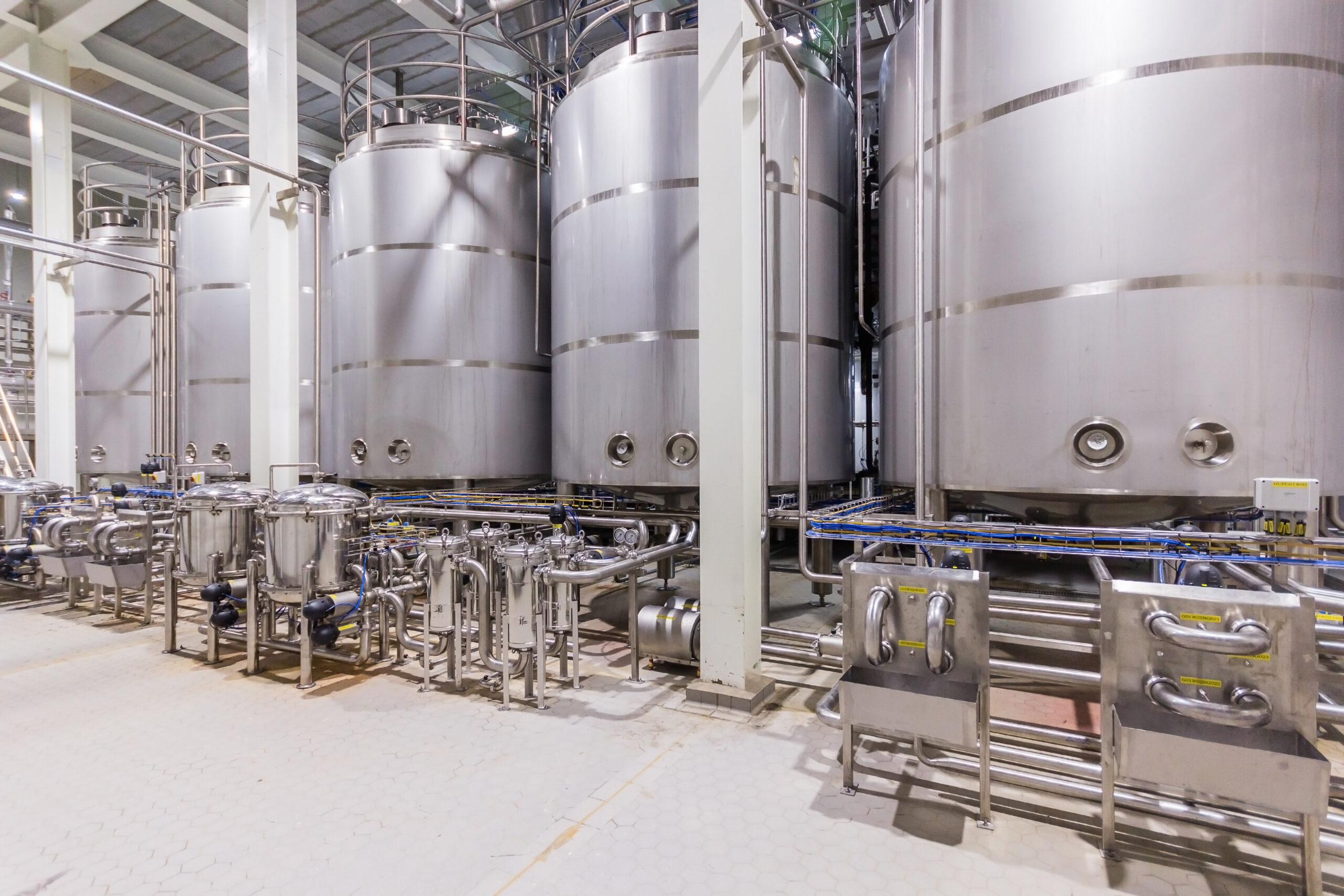
Side-entry mixers are installed horizontally through the lower side wall of large storage tanks and are generally specified for massive volumes where top-mounting is structurally impractical or financially restrictive. Instead of relying on central, symmetrical flow, a side-entry mixer generates a highly directional fluid stream that propels across the tank floor. This primary stream sweeps the opposite wall and divides, creating a continuous, rotational flow pattern that slowly turns over the entire volume of the tank. Side-entry configurations are highly efficient for maintaining temperature uniformity and preventing the separation of blended liquids in tanks holding hundreds of thousands of gallons. The horizontal design requires the mechanical components to be submerged near the base of the tank, making routine maintenance more complex than top-mounted alternatives.
Optimizing Entry Angles for Massive Storage Tanks
The performance of side-entry mixers relies entirely on the precise angle of insertion through the tank wall. Facility engineers must calculate the optimal angle of entry for the shaft to prevent localized vortexing and ensure the fluid stream reaches the furthest boundaries of the vessel. A direct radial installation, where the shaft points squarely at the center of the tank, typically results in an unstable fluid swirl that wastes energy and fails to mix the perimeter zones. To counteract this, the mixer is usually offset by an engineered angle, typically between seven and twelve degrees from the centerline, to establish a predictable spiral flow path. This calculated offset ensures that heavy solids do not accumulate in blind spots behind the impeller and that the entire fluid mass remains in continuous motion.