
Structural and Sealing Requirements for Non-Atmospheric Mixers
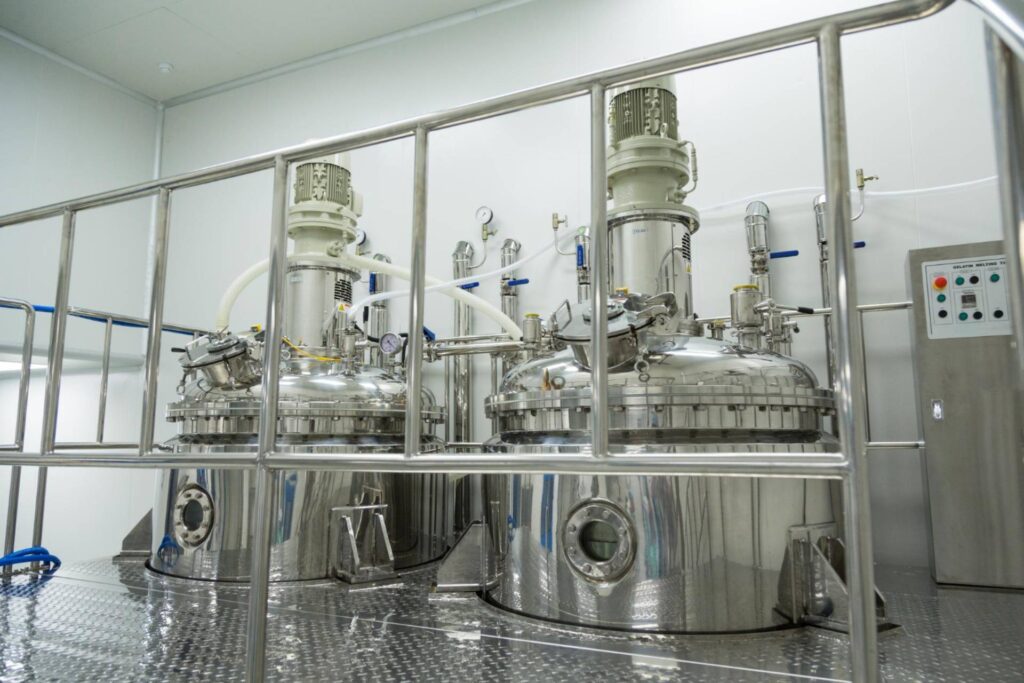
Mixing operations conducted in pressurized vessels or vacuum environments demand specialized non-atmospheric mixers engineered to withstand extreme physical conditions. Unlike standard open-top tanks, sealed reactors require industrial mixing systems that maintain absolute environmental isolation while simultaneously transmitting high-torque rotational power into the vessel. These systems process hazardous chemicals, volatile gases, or strictly sterilized pharmaceuticals where […]
Correcting Inconsistent Mixing Results Through Precision Agitation Parameters
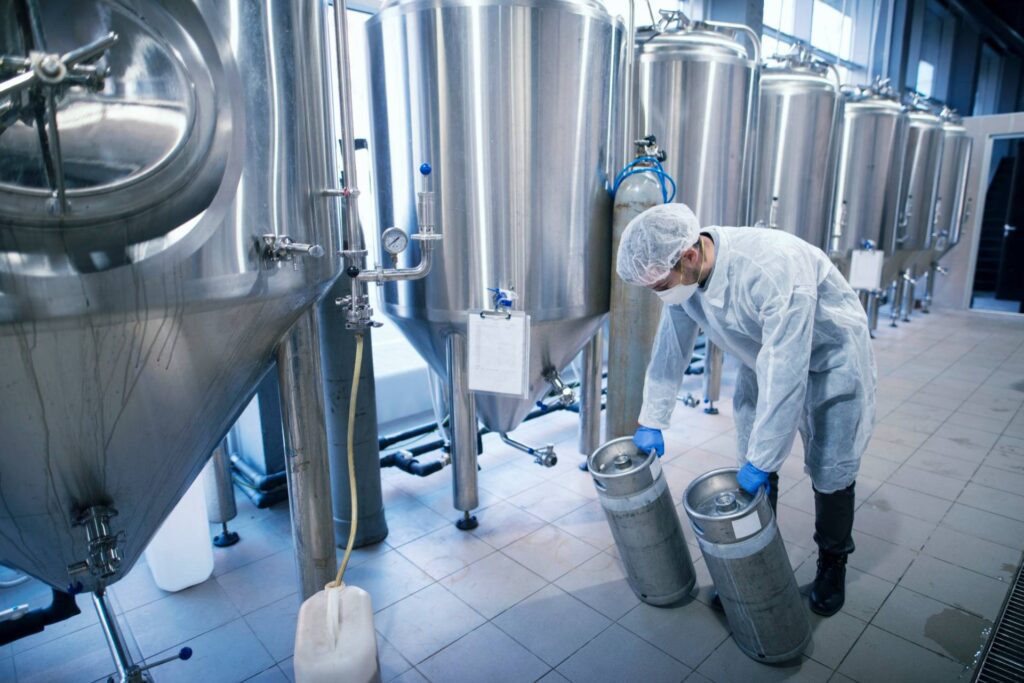
Inconsistent batch quality is a direct result of improper fluid agitation and uncalculated process variables within industrial mixing systems. When a facility experiences uneven chemical concentrations, unmixed solids, or fluctuating temperature gradients, engineers must systematically evaluate and adjust the precision agitation parameters. These parameters include the mechanical geometry of the vessel internals, the rotational speed […]
High-Viscosity Blending Challenges with Specialized Impellers
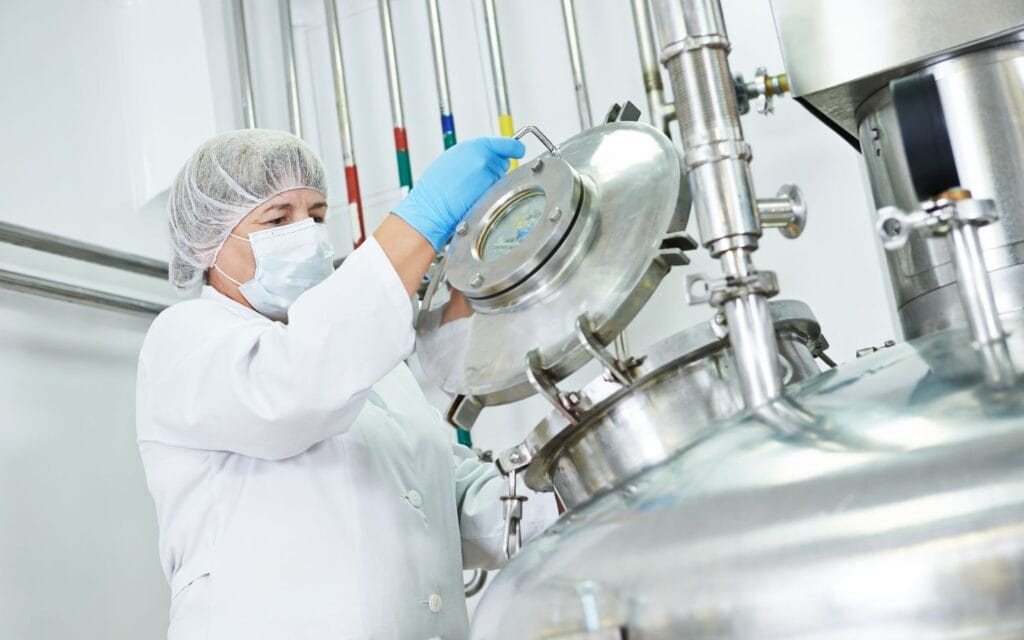
Processing highly viscous fluids requires a complete departure from standard turbine mixing strategies and represents a distinct sub-category within the engineering of industrial mixing systems. As fluid viscosity increases, the internal friction of the material dampens the mechanical energy transferred by the agitator, severely limiting the physical reach of the mixing action. Standard fluid dynamics […]
Mechanical and Fluid Dynamics of Top-Entry vs. Side-Entry Mixers
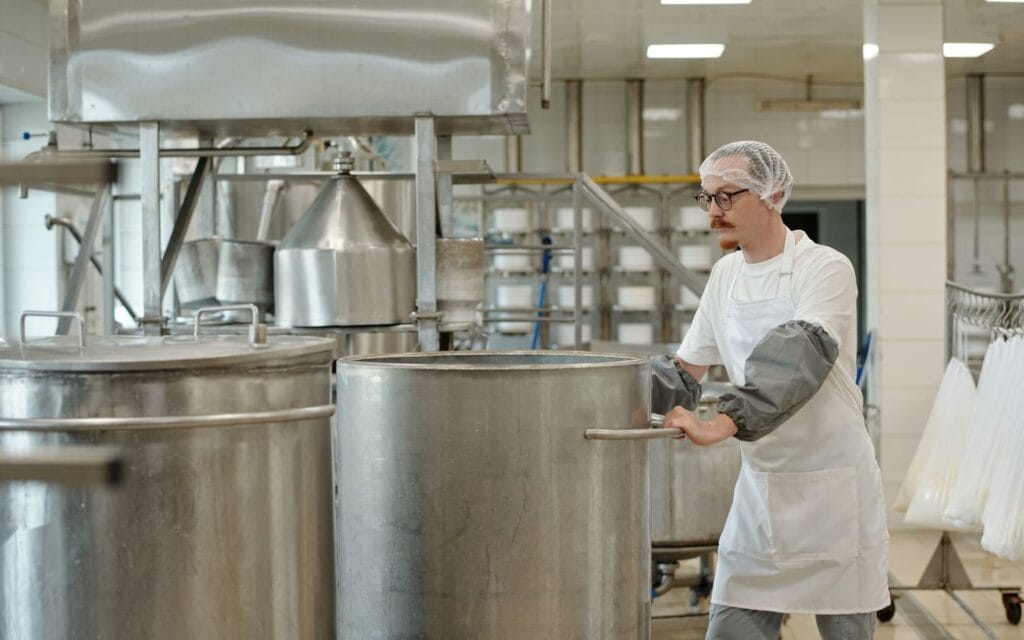
Understanding the structural and flow differences between top-entry and side-entry mixers is a necessary step in large-scale process design and builds upon the fundamental principles of industrial mixing systems. These two configurations represent the standard approaches for integrating agitation equipment into process vessels, yet they serve entirely different engineering functions based on tank geometry and […]
Engineering Fundamentals for Selecting Industrial Mixing Systems
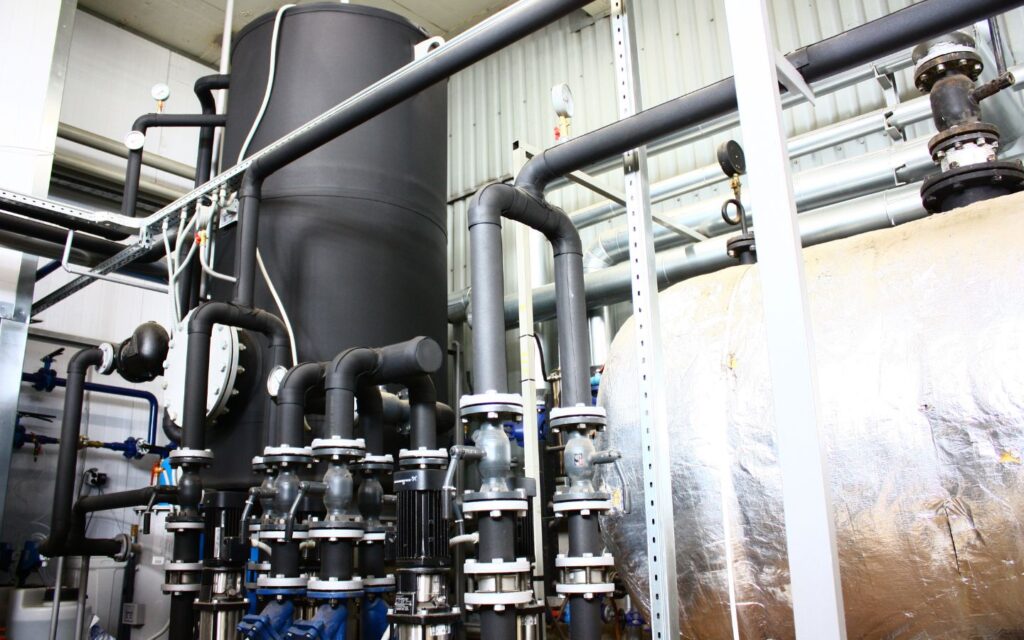
Industrial mixing requires a precise understanding of fluid dynamics and mechanical design to achieve desired process outcomes. Selecting the appropriate industrial mixing systems involves analyzing the physical properties of the materials, the geometry of the vessel, and the specific process objectives required by the facility. Engineers must evaluate variables such as specific gravity, viscosity, and […]